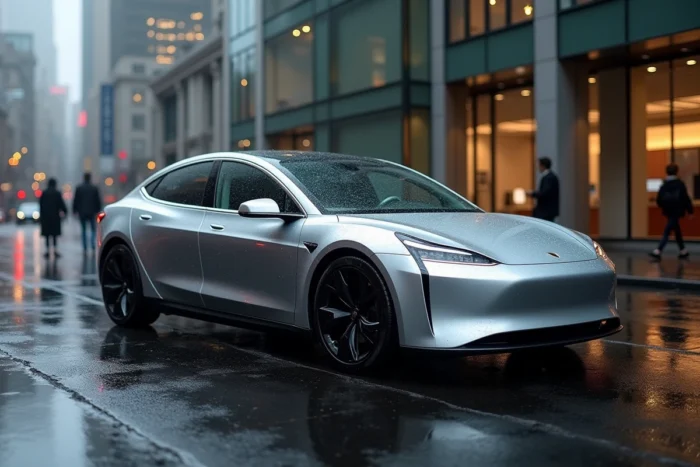
Hybrid engines now account for nearly 44% of new vehicle registrations in France, while electric vehicles reach about 20% market share. This rapid and structural shift is reshaping motorists’ choices far beyond the announcements of new models. Understanding these underlying movements allows for better anticipation of your next purchase or simply to keep up with a sector in full transformation.
Hybrid and Electric in France: The Shift in Powertrains in 2025-2026
Have you noticed that car advertisements are mentioning diesel less and less? This is not a coincidence. Pure combustion engines are declining in the face of two alternatives that are gradually taking over the market month by month.
Hybrid (either simple or plug-in) has established itself as the compromise powertrain. It combines a combustion engine and an electric motor, which reduces consumption in the city without requiring regular charging. This versatile profile explains its current dominance.
Electric vehicles are also making significant progress. Registrations of 100% electric vehicles for individuals surged in spring 2026, with over 41,000 vehicles registered in May alone. To keep track of these developments week by week, you can visit the MaxiScoop website, which aggregates automotive news by theme.
Hybrids dominate new sales, while electric vehicles accelerate behind. This dual dynamic is not a passing trend: it reflects a lasting change in the structure of the French market.

Electric Cars on Long Journeys: Drivers’ Perception is Changing
For several years, the main argument against electric cars could be summed up in one word: range. Going on vacation with a battery meant planning every stop, crossing your fingers in front of an occupied charging station, and changing your habits.
This perception is shifting. Recent data shows that the use of electric vehicles is now extending to long-distance travel, not just to commuting. Several factors explain this shift.
- The fast charging network has become denser along highways, with operators like Electra focusing on ultra-fast charging and clearer pricing.
- The batteries in recent models offer real ranges that cover most stages between two natural breaks (meals, coffee breaks).
- Route planning apps now integrate available charging stations in real-time, reducing anxiety related to charging.
A driver who used to travel to Brittany or the south of France in a combustion vehicle three years ago is now considering the same trip in an electric car. This change in mindset significantly impacts purchasing trends.
Prices of New Electric Cars: Moving Towards a More Accessible Threshold
Price remains the number one barrier to purchasing an electric vehicle. However, recent trends are moving in the right direction.
Several manufacturers have announced models priced around 25,000 euros, a symbolic threshold. Opel, for example, is preparing a future electric Corsa in this price range, combined with a more aggressive pricing policy and the return of social leasing.
The average price of a new electric vehicle is gradually decreasing, driven down by increased competition between European and Chinese brands. This competitive pressure directly benefits buyers.
Why this decrease? Three mechanisms are at play:
- The cost of lithium-ion batteries is decreasing as production volumes increase globally.
- Chinese manufacturers, present in the European market, are imposing aggressive prices that force established brands to react.
- Public incentives (environmental bonuses, social leasing) reduce the out-of-pocket expense for low-income households.
The concrete result: a buyer who found electric vehicles out of budget two years ago can now access new models in a price range comparable to that of a well-equipped equivalent combustion vehicle.
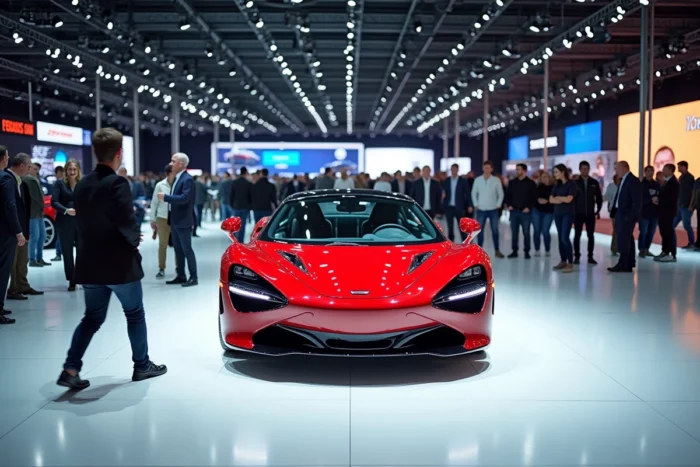
Used Car Market: What is Changing in 2026
New cars capture media attention, but the majority of transactions occur in the used car market. And this segment is undergoing its own transformations.
Used electric vehicles are arriving in volume on the secondary market. The first mass-sold models (Renault Zoé, Peugeot e-208, Tesla Model 3) are reaching three to five years of age. They are fueling a used car offer that did not exist until recently.
For buyers, this opens up an opportunity: access to electric vehicles at a lower cost, without going through new. The depreciation remains significant on certain models, particularly those whose batteries offer a range deemed insufficient by current standards.
A point of caution is necessary. The state of the battery (referred to as SOH, or State of Health) determines the actual value of the vehicle. Checking the SOH before any used electric vehicle purchase has become an essential reflex. Some platforms now include this data in their listings, but it is not yet systematic.
Autonomous Driving: Where Do We Really Stand?
Announcements about autonomous cars have been coming for a decade. In practice, fully autonomous driving in real conditions remains a distant prospect.
What exists today are Level 2 or 2+ driver assistance systems. Specifically, the car can maintain its trajectory, adjust its speed, and brake on its own, but the driver must remain attentive and keep their hands close to the wheel.
A fully autonomous car is not on the horizon. The obstacles are both technical (managing unforeseen situations, degraded weather conditions) and regulatory and insurance-related. The approval of a Level 4 or 5 vehicle in Europe requires a legal framework that does not yet exist.
Progress is therefore focused on the gradual improvement of existing assistance features: more responsive emergency braking, more precise lane-keeping, automated parking. These functions, available on mass-market models, are already changing daily driving comfort without claiming to replace the driver.
The French automotive market is undergoing a period of accelerated transition. Hybrids have established themselves as the default choice, electric vehicles are gaining ground across all types of journeys, and the used market is beginning to integrate these new powertrains. As for autonomous driving, it is better to appreciate current assistance features than to wait for an uncertain technological breakthrough.