The fashion trends of a season are defined by a set of cuts, materials, and color palettes that guide the collections of brands and everyday clothing choices. For this season, three axes structure wardrobes: the return of streamlined silhouettes, the growing influence of European regulations on textile production, and a color palette that oscillates between powdery tones and bold accents.
ESPR Regulation and Sustainable Fashion: What Changes This Season
Since July 19, 2026, the European regulation ESPR (Ecodesign for Sustainable Products Regulation, EU 2024/1781) prohibits large companies from destroying their unsold clothing, fashion accessories, and shoes. This measure applies to companies with more than 250 employees generating over 50 million euros in revenue. It will be extended to medium-sized enterprises in 2030.
Brands must now keep products in circulation: selling with discounts, donating to associations or social enterprises, preparing for reuse. Destruction is only permitted in specific cases (safety issues, damaged products, counterfeits).
This regulatory constraint changes the way collections are designed. Several brands are reducing the number of references per season and extending the commercial lifespan of their pieces. To keep track of these developments and identify brands adapting their practices, the fashion category of Maxi Bottin lists industry players committed to these new production logics.
Less overproduction means tighter collections, with pieces designed to last several seasons rather than just a few weeks. This shift encourages the preference for versatile basics over ultra-trendy items with rapid obsolescence.
Seasonal Trend Colors: Palette and Combinations
This season’s palette is based on a balance between soft shades and saturated accents. The butter yellow, already present in spring, continues in a more matte version for the transitional months. Powdery tones (old rose, sand beige, sage green) dominate everyday pieces.
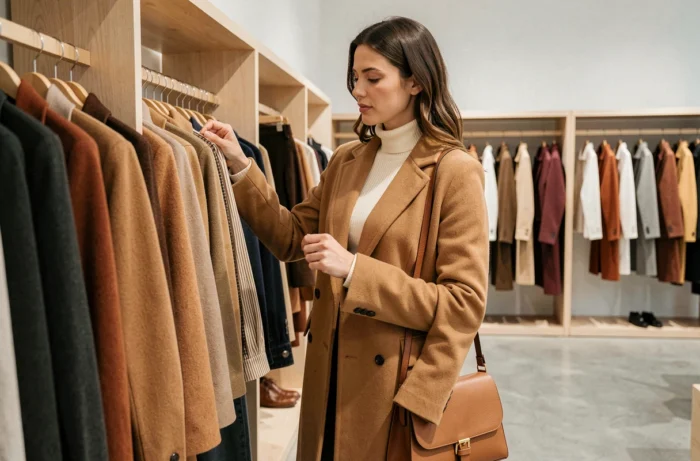
For accents, deep burgundy and petrol blue return in accessories and structured pieces like cropped jackets or straight pants. These colors serve as style markers without requiring a completely renewed wardrobe.
Combining Colors Without a False Note
- Butter yellow pairs well with off-white or raw denim for a bright look without overload
- Sand beige works in a total look as long as textures are varied (linen, cotton, lightweight knit)
- Burgundy gains modernity when paired with heather gray rather than black, which can weigh down the silhouette
- Petrol blue is used in touches (bag, belt, shoes) to anchor a neutral tone ensemble
The most effective approach is to choose a neutral base (white, beige, gray) and add a single strong color. A wardrobe limited to three or four shades covers most situations, from the office to the weekend.
Fashion Pieces to Favor: Seasonal Cuts and Materials
The midi dress remains a staple this season. In English embroidery or structured cotton, it transitions from casual contexts to more formal occasions depending on the chosen accessories. Straight or slightly flared cuts are gradually replacing very fitted silhouettes.
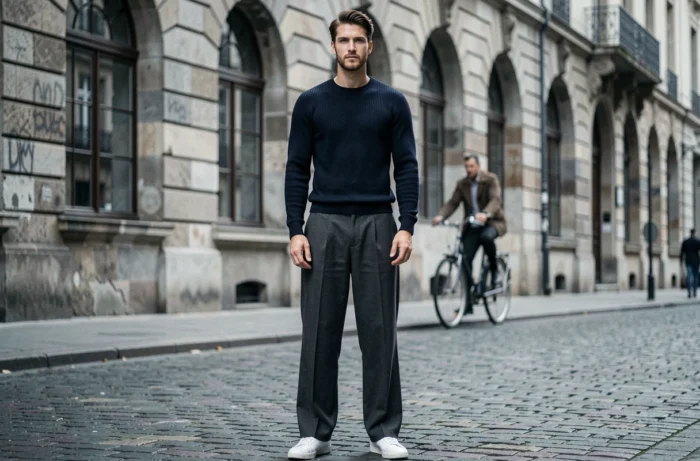
The barrel jean (wide cut and slightly tapered at the bottom) emerges as an alternative to the classic straight jean. Its rounded silhouette at the thighs creates volume without sacrificing comfort. Worn with a simple tank top or a tucked-in blouse, it structures a look with minimal effort.
The Oversized Sweater for Seasonal Transition
The oversized lightweight knit sweater serves as a transitional piece between warm days and cool evenings. Worn over a midi dress or fluid pants, it adds a relaxed dimension without overwhelming the silhouette.
In terms of jackets, the short trench and the colored short jacket take over from classic bombers. The short trench (above the waist) works with high waists and visually elongates the legs. The colored jacket, in lightweight canvas or linen, adds the touch of color mentioned earlier without requiring a complete wardrobe overhaul.
Building a Cohesive Style Without Renewing Your Entire Wardrobe
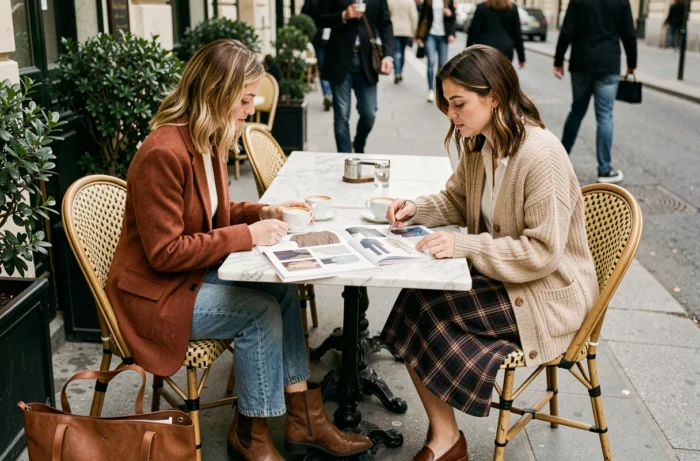
The underlying trend, amplified by new regulatory constraints, favors a reduced but well-thought-out wardrobe. The principle is based on combinable pieces rather than the accumulation of clothes worn once or twice.
- Start with three neutral bottoms (a pair of jeans, straight pants, a midi skirt) that work with most tops
- Have two to three basic tops (tank top, shirt, blouse) in natural materials that age well
- Add a single strong piece each season (a colored jacket, a patterned dress, a statement accessory) to refresh your style without replacing everything
This capsule wardrobe logic is not new, but it gains relevance as brands themselves reduce the turnover of their collections. Buying less but better is no longer just a discourse; it is an economic constraint for brands and an opportunity for consumers seeking a sustainable style.
Polka dots, English embroidery, and reimagined denim remain safe bets to integrate gradually. Rather than following every micro-trend, investing in pieces whose cut and material will withstand several seasons allows for the construction of a personal look that does not depend on the collection calendar.